Posted on 23rd July, 2026
News
Posted on 24th September, 2026 in Events
A Roundhouse and Iron Age Pigs
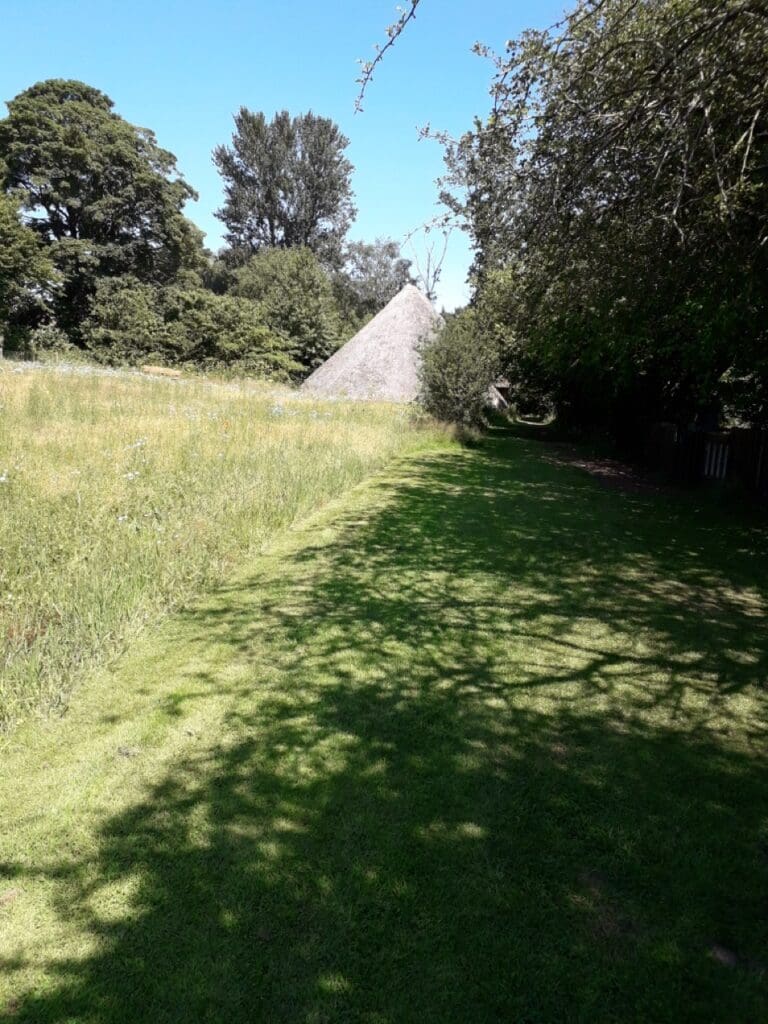
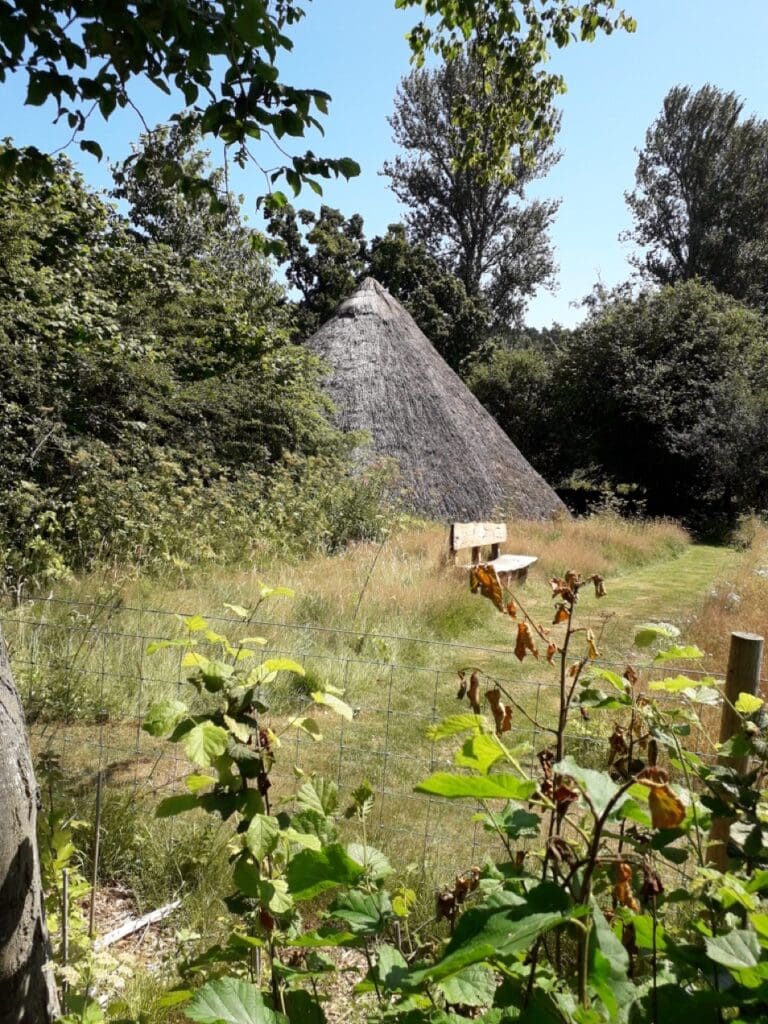
When I heard that they had a full-scale replica of an Iron Age roundhouse at the open-air Ryedale Folk Museum I had to visit, and I was lucky enough to have the home to myself.
Approaching the roundhouse, which is situated at the far end of the museum in an appropriately rural setting, I heard the grunt of Tamworth pigs fenced in behind wattle hurdles. The pigs resemble wild boars, and are thought to look similar to the type of pigs that would have been around in Druid Abria’s time.
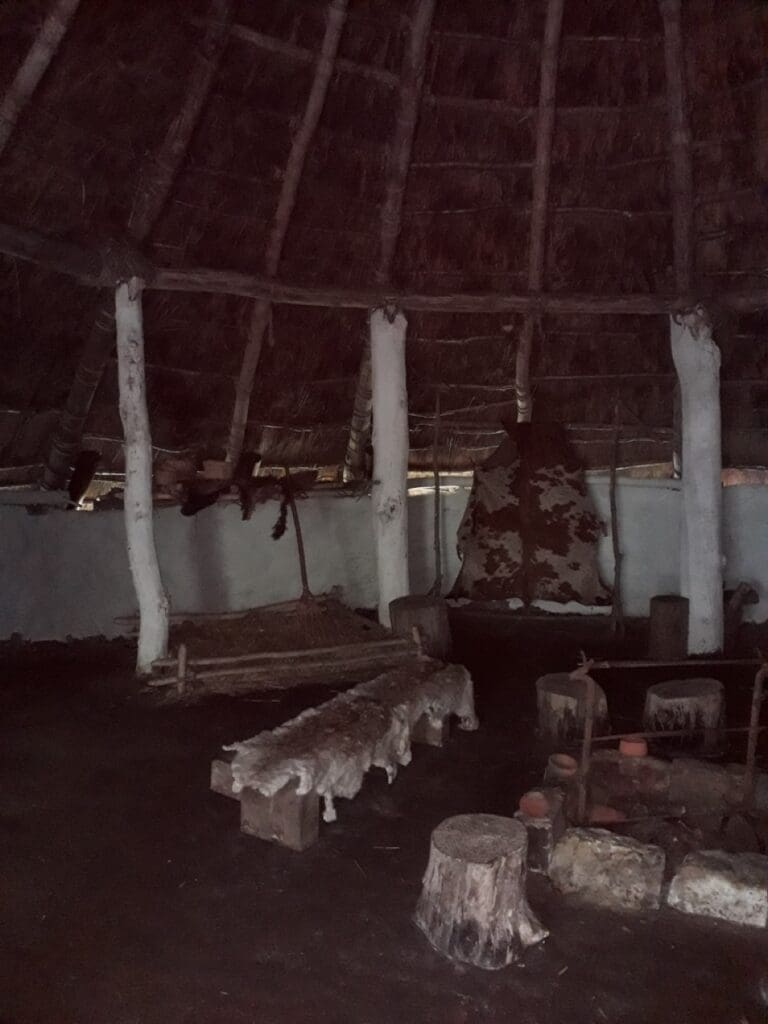
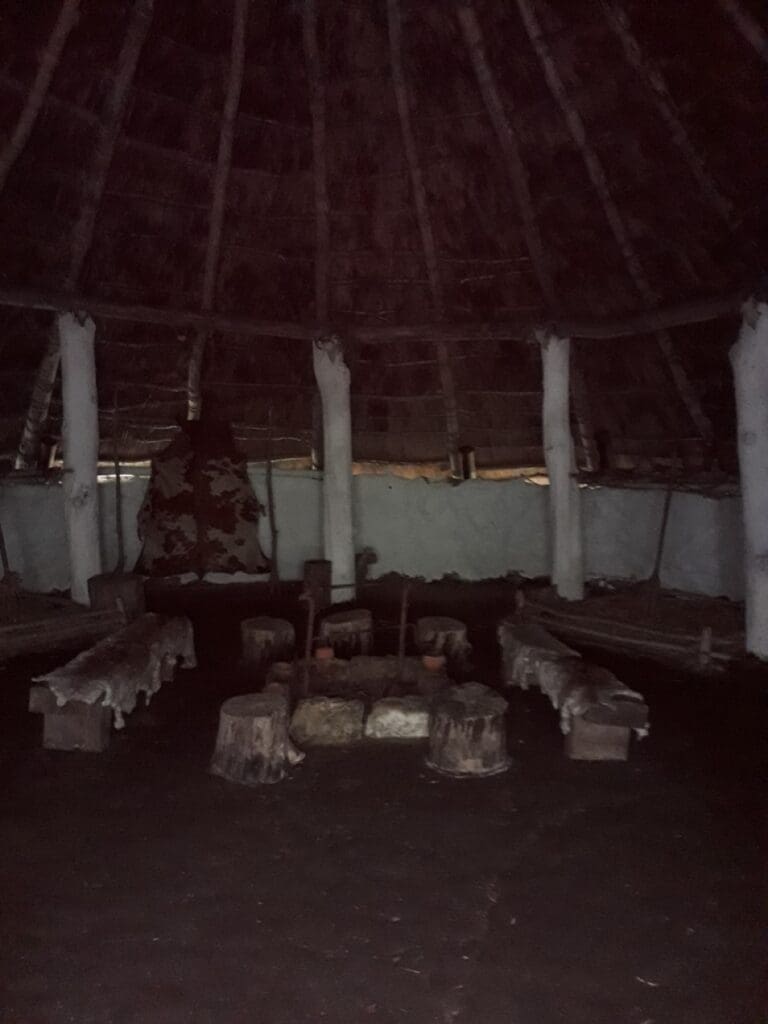
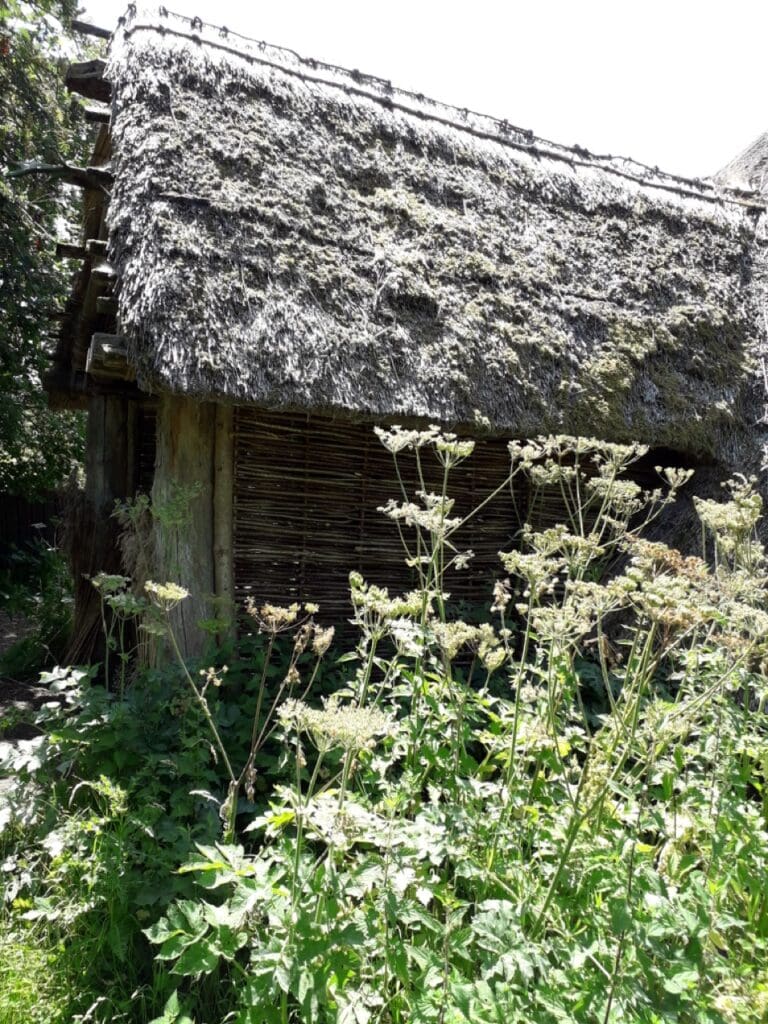
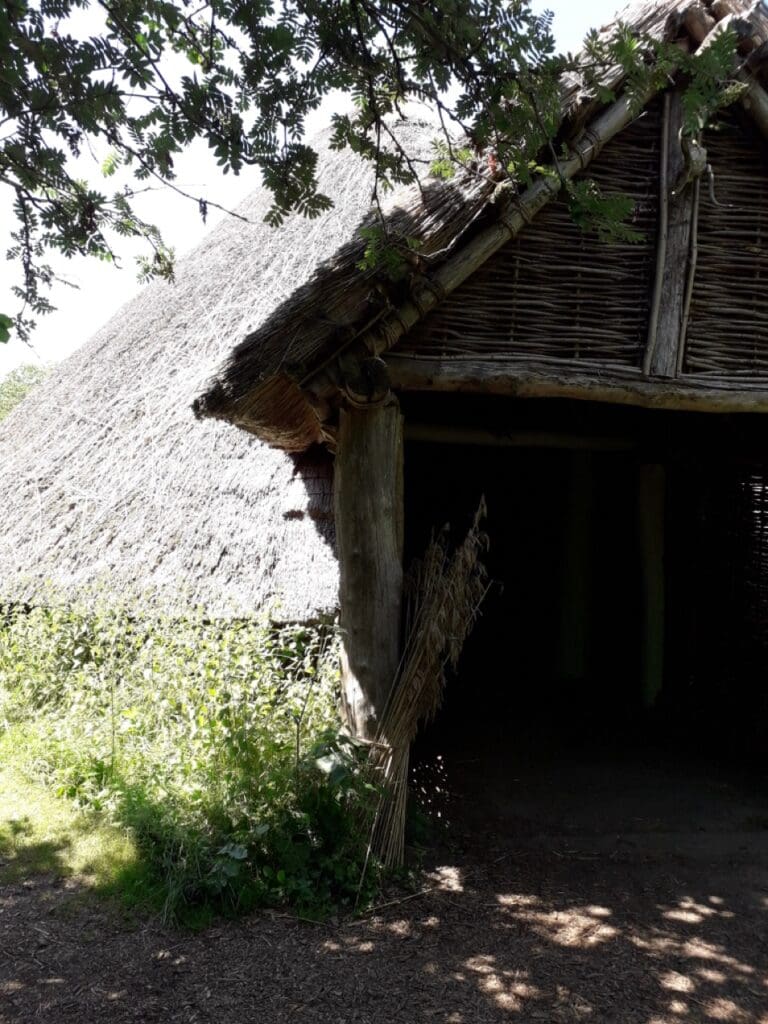
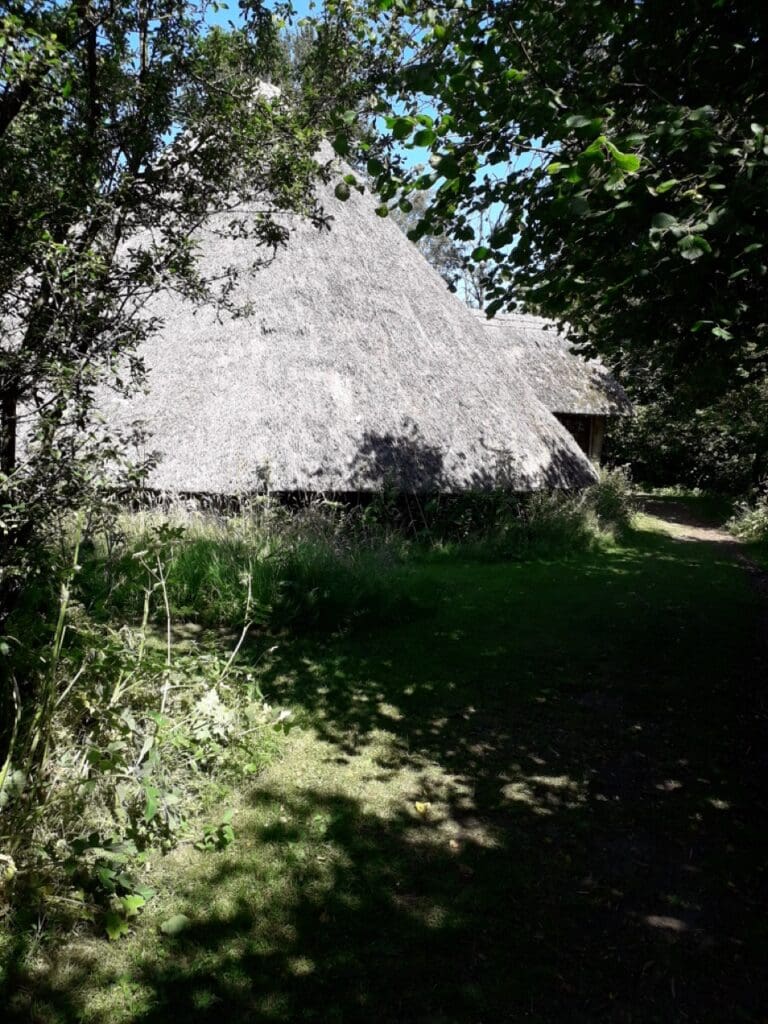
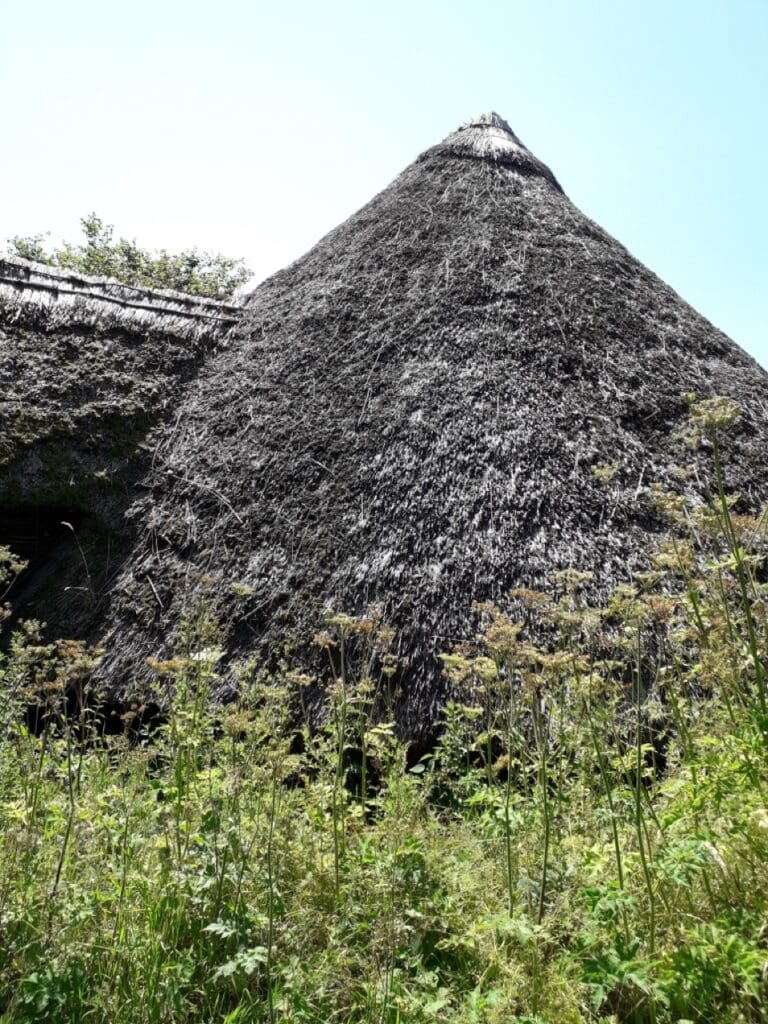
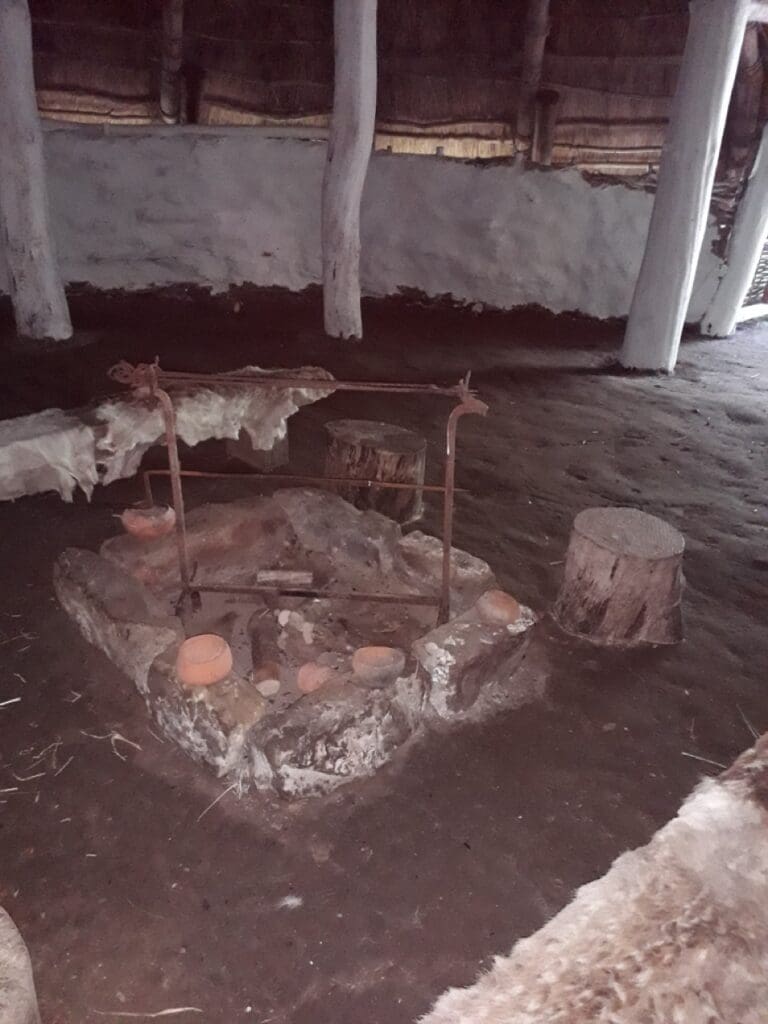
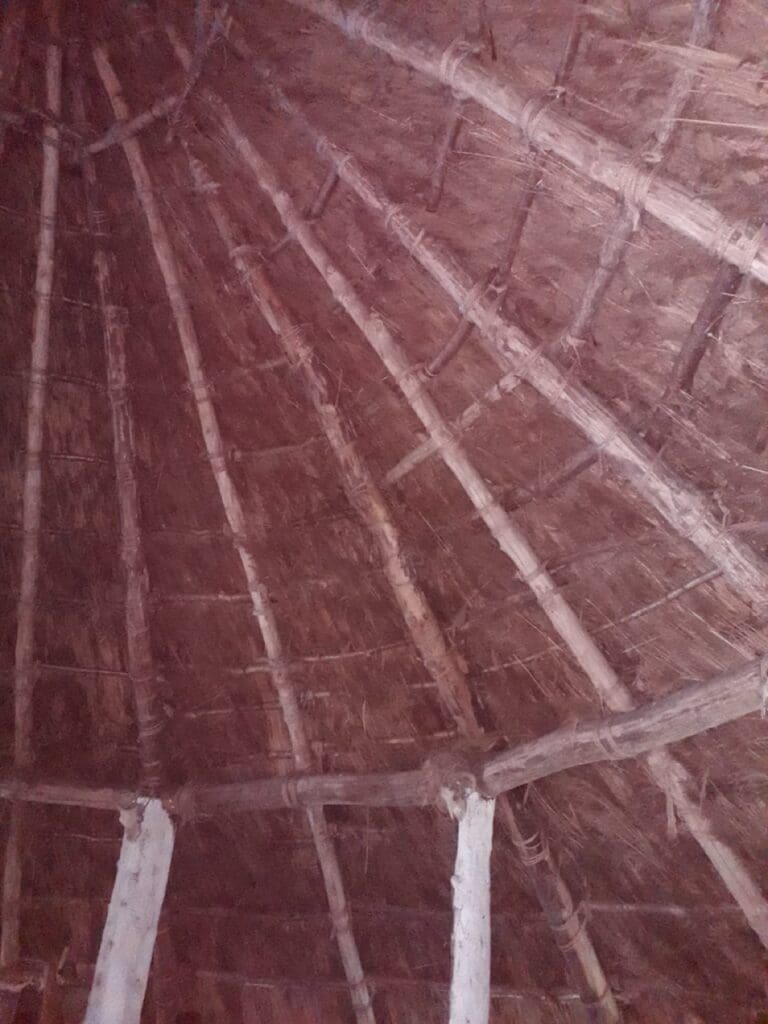
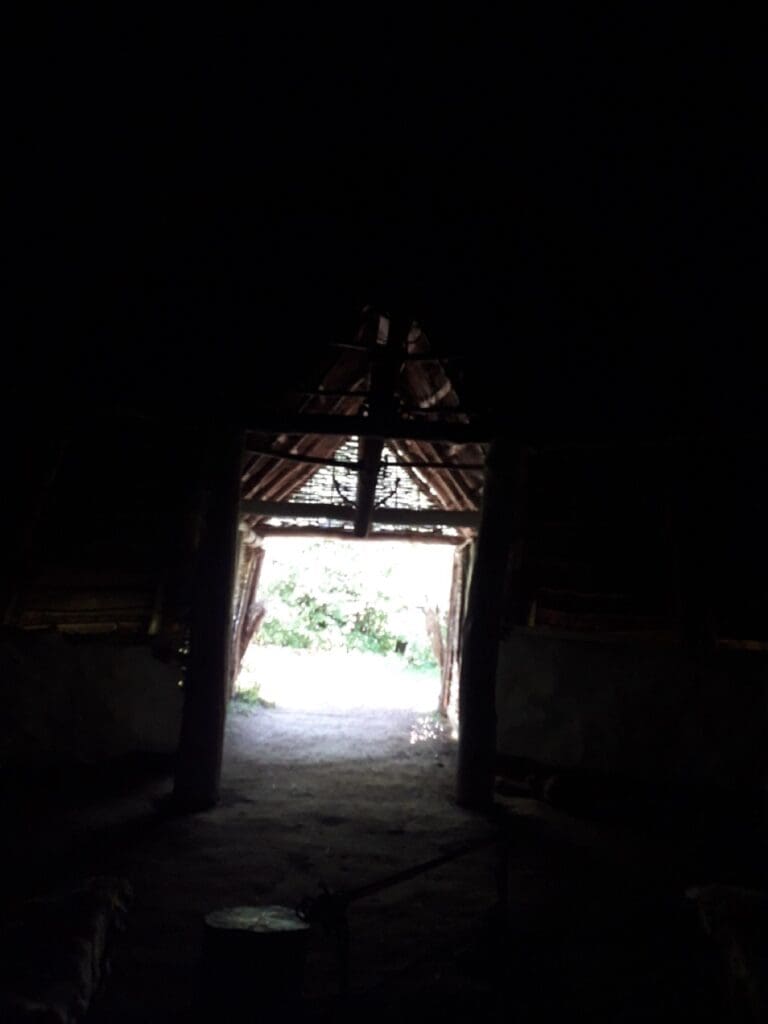
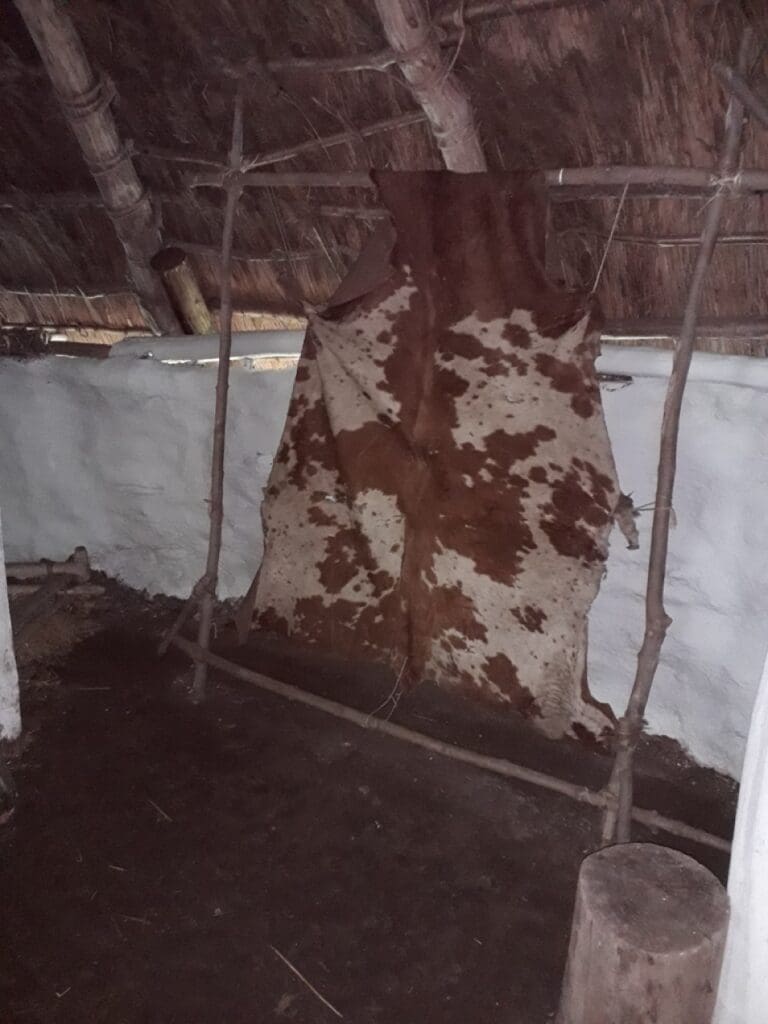
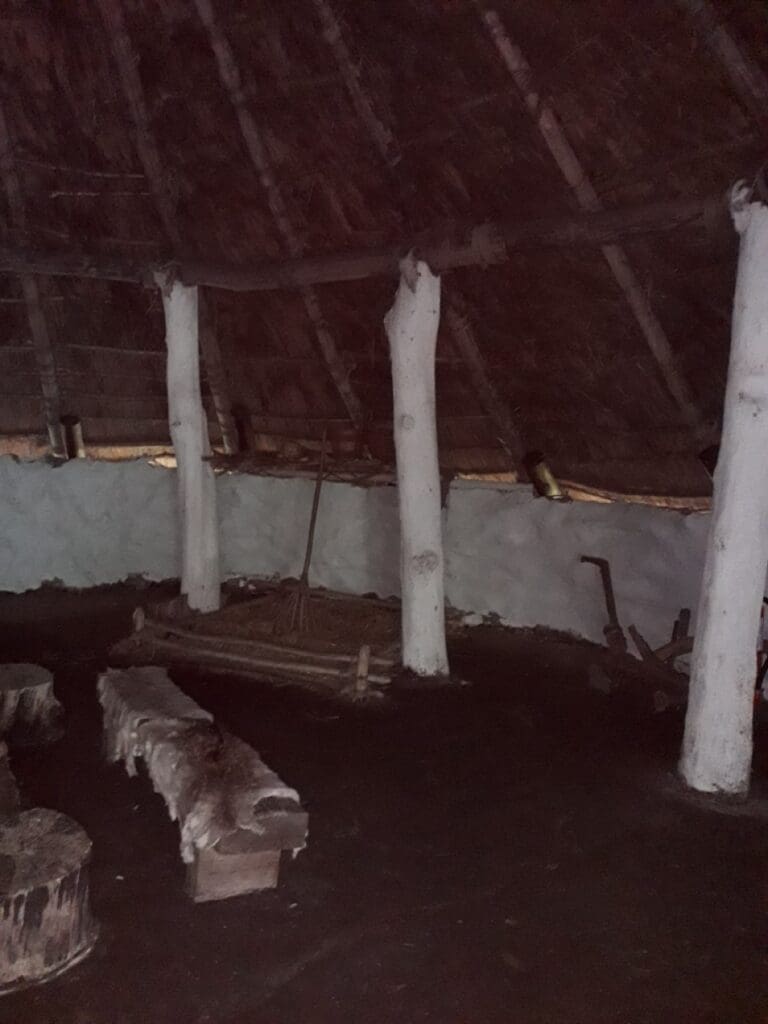
The first thing I noticed about the roundhouse was its thatched roof, which I thought looked like a shaggy hat or a tent. The open entrance looked dark, and although it was a sunny day, it was cool and dim in the house. The floor was hard packed earth with the conical roof high overhead. It felt spacious, perhaps because I was alone, and I was able to shut my eyes for a moment and dream about the Iron Age.
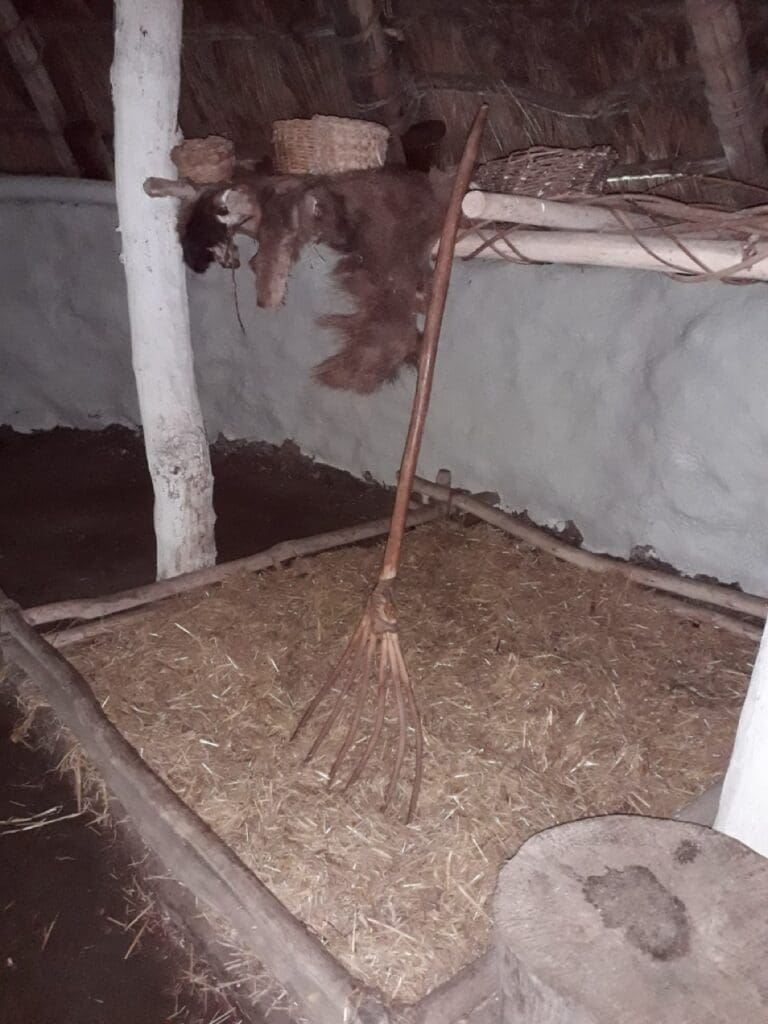
I detected a faint musty smell of damp earth and straw. The home would have been bustling with an entire family living in the space and would probably have smelled of smoke, manure, cooking food and damp. Imagine the lack of privacy, and insects like flies, lice and fleas that would have been common and spread easily.
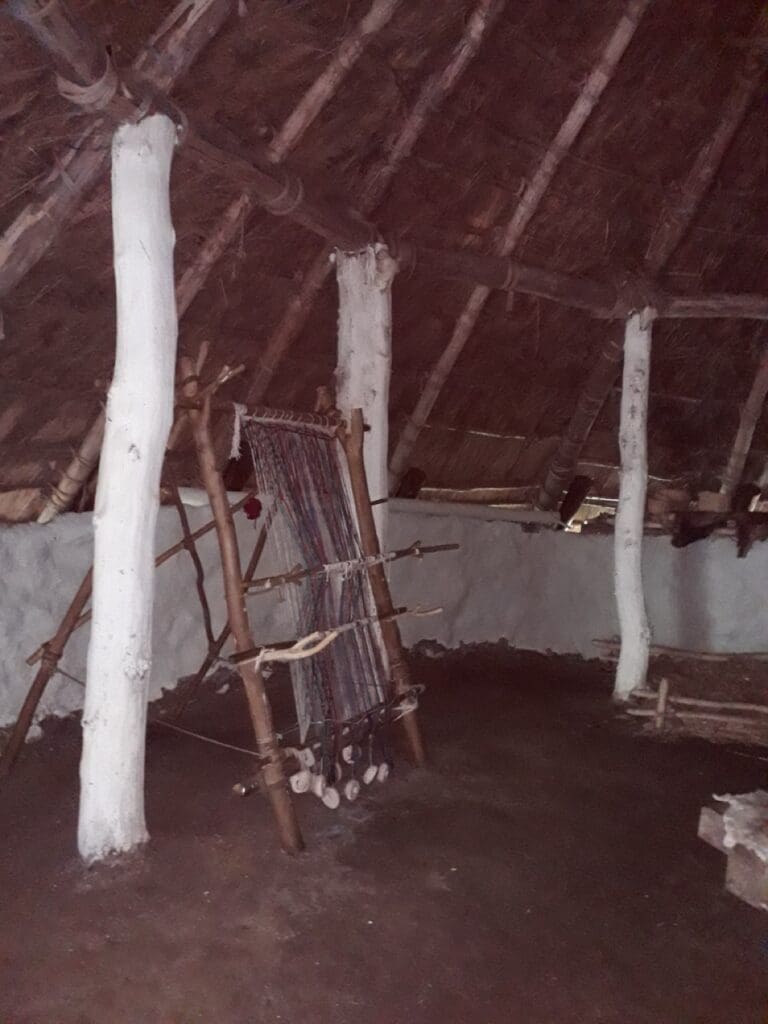
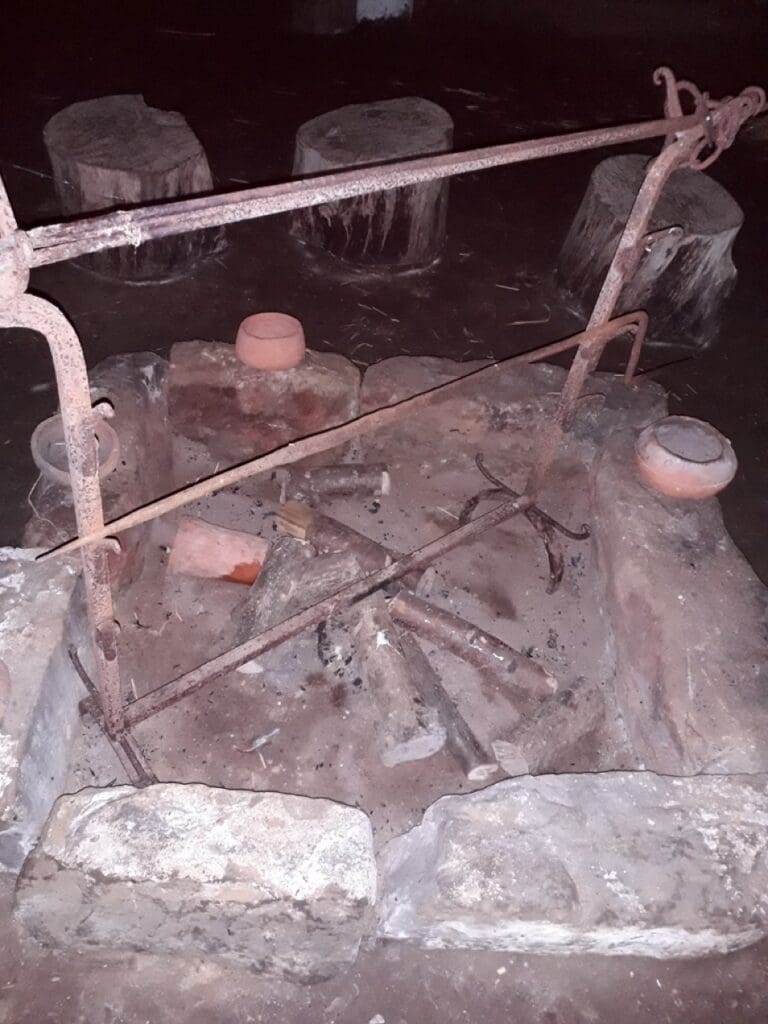
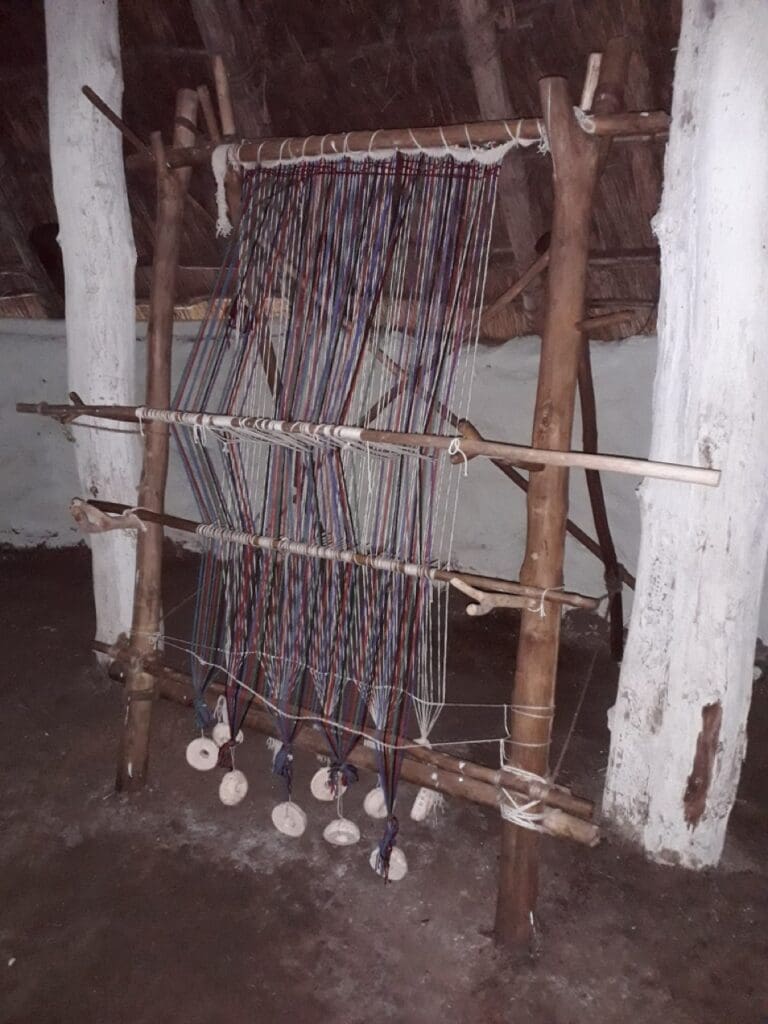
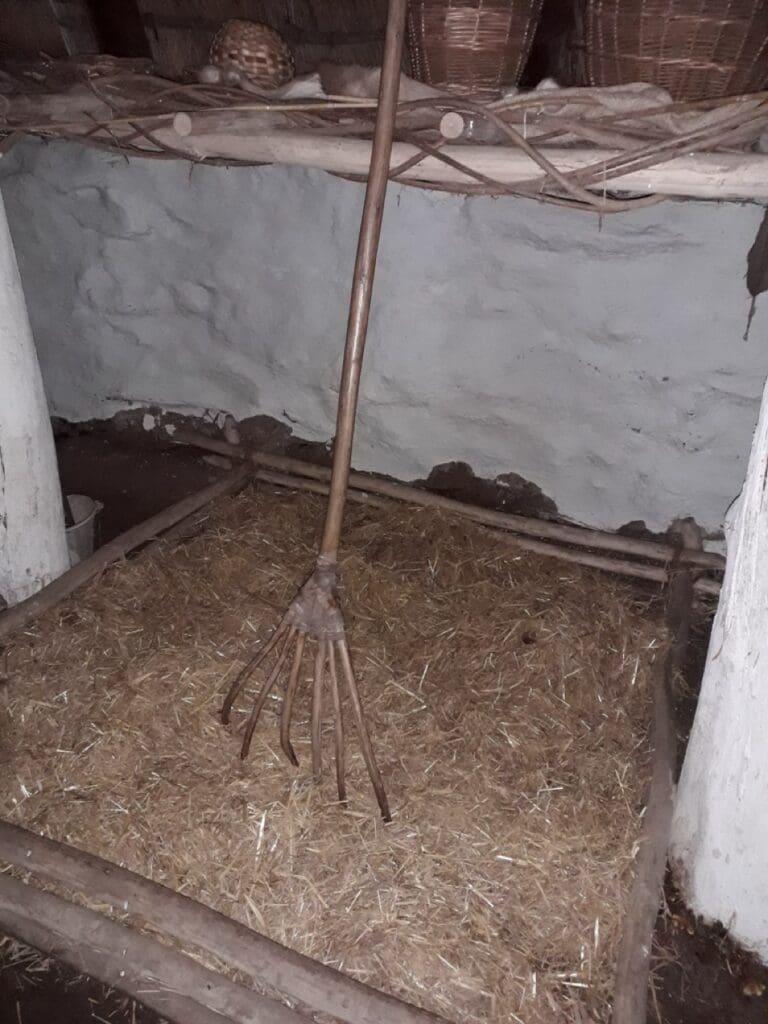
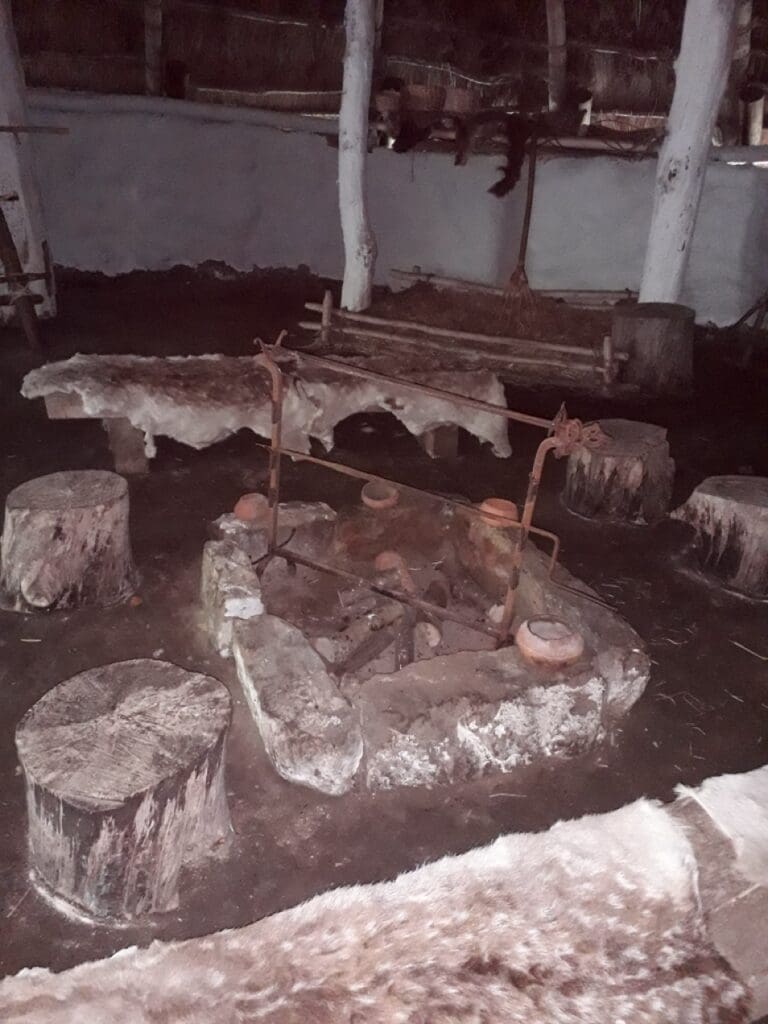
I was delighted to wander among objects on display that I had previously only seen in pictures. The loom looked as though someone was about to come and start weaving, while all the hearth needed was wood and to be lit, for a fire. People would have started their day at dawn and would probably have been too exhausted to have many late nights.
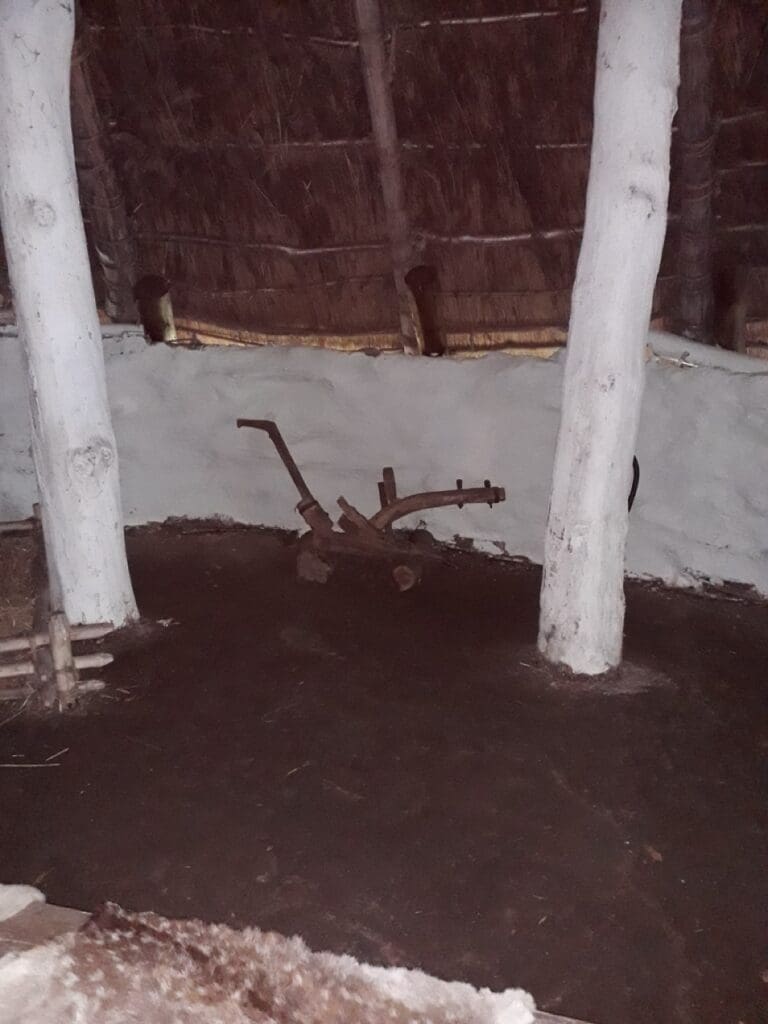
I saw a plough, made mainly of wood, that would have been a prized and much-mended possession, as well as quernstones that were needed to grind grain. Days would have been spent in back-breaking labour, perhaps farming in the fields, weaving cloth from wool or flax, or preparing food. It would have taken many hours to make something like a dress from raw wool, and items would have been re-used.
There were no books, of course, and people told stories instead. Fear of the unknown could have been a part of daily life. Herbs were used for sickness, lives were short, and disease and death were commonplace. Leaving the village could have meant being attacked by other people or wild animals such as wolves.
Living so closely with the land, natural disasters, such as floods, could have meant loss of crops or homes. A need to explain such events could have given rise to rituals and superstitions.
I enjoyed my visit very much, but I am glad I wasn’t around in the Iron Age.